
- AI calling software priced per seat in dollars rarely matches the economics of a business answering Indian call volumes.
- An AI caller has to hear, understand, and finish a task in seconds, not just transcribe what was said.
- Multilingual claims mean little until a caller switches from Hindi to English mid-sentence and the system keeps up.
- A platform that lets your business ai answer phone calls also has to follow TRAI's rules the moment it dials out.
AI calling software promises to pick up every call your business gets and place the ones it doesn't, and this article looks at what that actually takes to pull off on an Indian phone line. A missed call after 9 PM or a receptionist juggling five lines while a lead quietly hangs up is the real cost most comparison lists skip past. You will learn what this kind of software genuinely needs to do on a real call, why per-seat dollar pricing rarely fits an Indian call volume, and where language depth and TRAI rules decide whether it actually works here. Read on before you sign up for a plan built for a sales floor in another country.
Why Per-Seat Pricing Breaks Down for a Business in India
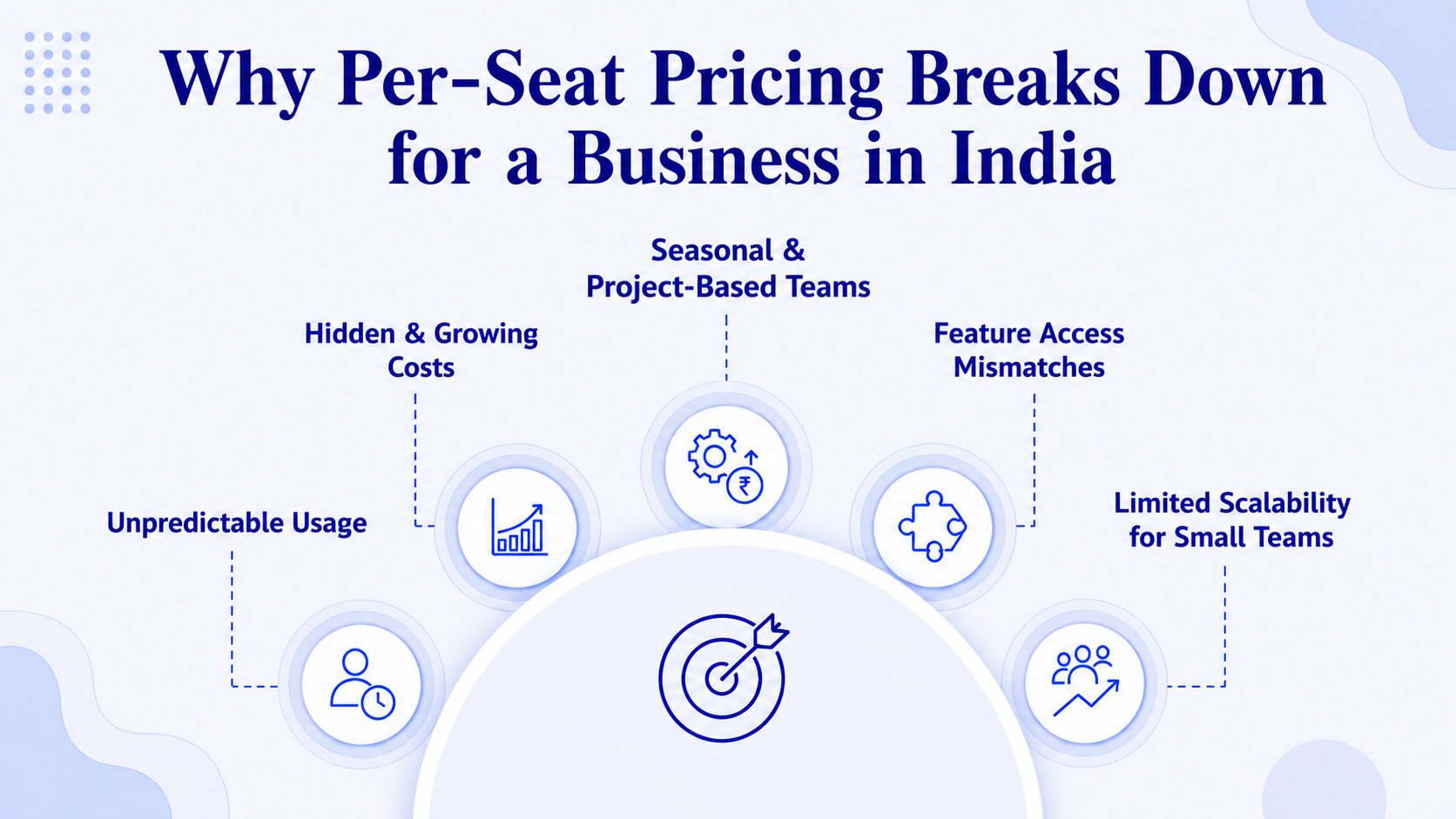
Most AI calling software gets priced the way call-centre seats have always been priced, a flat dollar amount per agent per month, because that is how the enterprise CCaaS market has billed for two decades. That model assumes a human agent working fixed hours, not a system that can run twenty conversations at once and go quiet the moment call volume drops. A restaurant answering forty calls a night pays the same seat fee as one answering four hundred, which makes the sticker price nearly meaningless until you divide it by actual calls handled. Most Indian businesses discover this mismatch only after their first invoice arrives and the per-call math looks nothing like the one advertised on the pricing page.
- Per-second billing. 9278.io charges for the seconds a call actually runs, so a short callback costs a fraction of a full minute instead of getting rounded up.
- Wallet-based billing. Credits get used as call volume happens, rather than a seat sitting idle on a monthly invoice.
- No long-term contracts. A business can scale AI calling software up in festival season and down afterward without renegotiating anything.
- Published starting prices. Plans start at roughly ₹2,999 a month, which tells you more upfront than a "request a demo" button ever will.
- Growth-tier clarity. A mid-tier plan around ₹8,799 a month with ten agents and priority support shows the actual jump in cost as volume grows, rather than a vague "contact sales" quote.
What an AI Calling Software Actually Needs to Do on a Real Call
A caller does not care whether the voice on the other end is generated, only whether it understands them and finishes what they called about. Good AI calling software hears a full sentence without a keypad menu, matches it against your business's real answers, and books, confirms, or escalates before the call ends. The gap between a demo and a real call shows up fastest here, because a scripted question in a sales pitch is nothing like a caller changing their mind halfway through a sentence. A booking that gets confirmed, an order status that gets read back correctly, or a callback number that actually gets logged is the difference a caller notices, even if they never think about the software running underneath it.
Most vendors handle the demo script well and struggle the moment a real caller goes off it, interrupting, correcting themselves, or asking something the vendor never anticipated. 9278.io tunes for that mid-call correction specifically, because Indian callers frequently restate a request rather than waiting for the system to finish speaking, and a platform that only handles the first, cleanest version of a sentence loses a surprising share of real conversations.
Multilingual on the Box, English Only on the Call
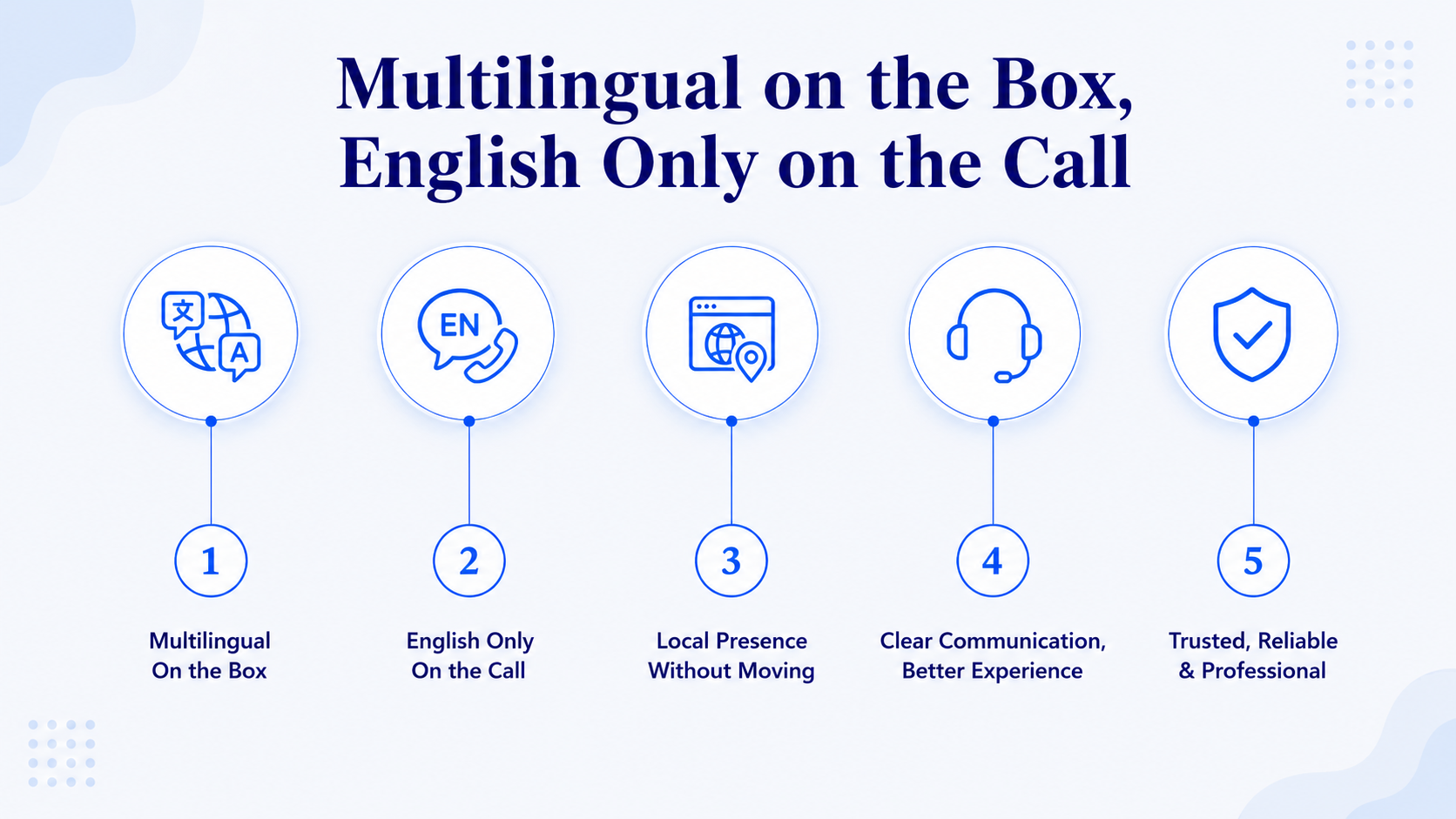
Every AI calling software vendor's homepage claims multilingual support, and almost none of them show a live call where a caller switches languages mid-sentence. Real depth means a system that follows a customer from Hindi into English and back without asking them to restart, not a dropdown menu of languages nobody tests in production. A features page listing ten languages says nothing about whether any of them were tested against an actual regional accent or a mixed-language sentence.
That gap shows up hardest with EMI reminders and order confirmations, where a caller often opens in Hindi, gets impatient, and switches to English halfway through a sentence to make a point. Platforms tuned only for English-first markets transcribe that switch badly and lose the thread of the conversation entirely, while 9278.io supports 10+ Indian languages, including Hindi, Tamil, Telugu, Bengali, Marathi, and Punjabi, built for exactly that kind of mid-call switch rather than added as an afterthought.
The Compliance Line Most Global Calling Software Ignores
An AI caller that only answers inbound calls has an easy compliance story, because nobody objects to a business picking up its own phone. The story changes completely the moment that same AI calling software places an outbound call, a reminder, a follow-up, a payment nudge, since Indian regulation treats an automated reminder the same way it treats a promotional call.
- Recorded consent. The customer must have agreed to receive that category of call before your business dials them.
- Registered sender identity. The number or ID placing the call has to be traceable back to your business by name.
- TRAI-compliant calling windows. Outbound calls stay inside permitted hours rather than whenever your team gets around to them.
- DND-aware dialling. A number on the do-not-disturb list still needs a transactional framing to stay compliant, per TRAI guidelines.
- Complaint thresholds. Five or more complaints against a number within ten days can trigger enforcement action, up to a year-long disconnection for repeat offenders.
Inbound Versus Outbound: Two Different Jobs, One Platform
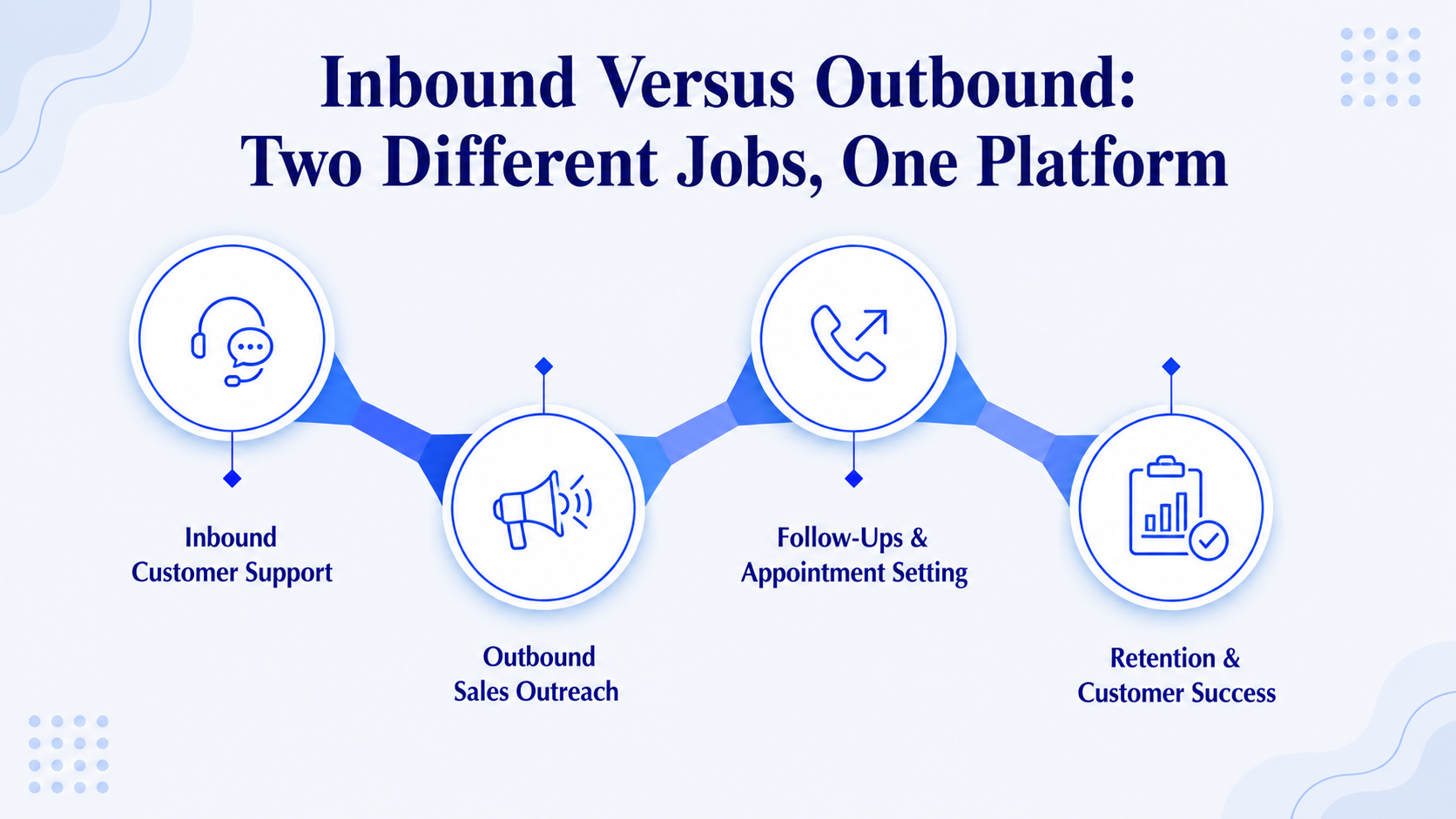
Software that lets a business ai answer phone calls well is not automatically ready to dial out on its own, because the two directions test completely different things. Inbound calling has to hear an unscripted question instantly and resolve it before the caller loses patience, while outbound calling has to respect consent, timing, and identity before the call is even placed.
Many vendors are strong on one side and weak on the other, built originally as either a receptionist replacement or a dialler, then stretched to cover both. Read our take on an AI answering service for the inbound side of this decision, and see how the same platform handles a conversational AI platform comparison on the outbound side, before assuming one vendor does both equally well. Ask any vendor directly which side of the call it was built for first, because the honest answer usually explains where it still falls short today.
A Realistic Week One With AI Calling Software
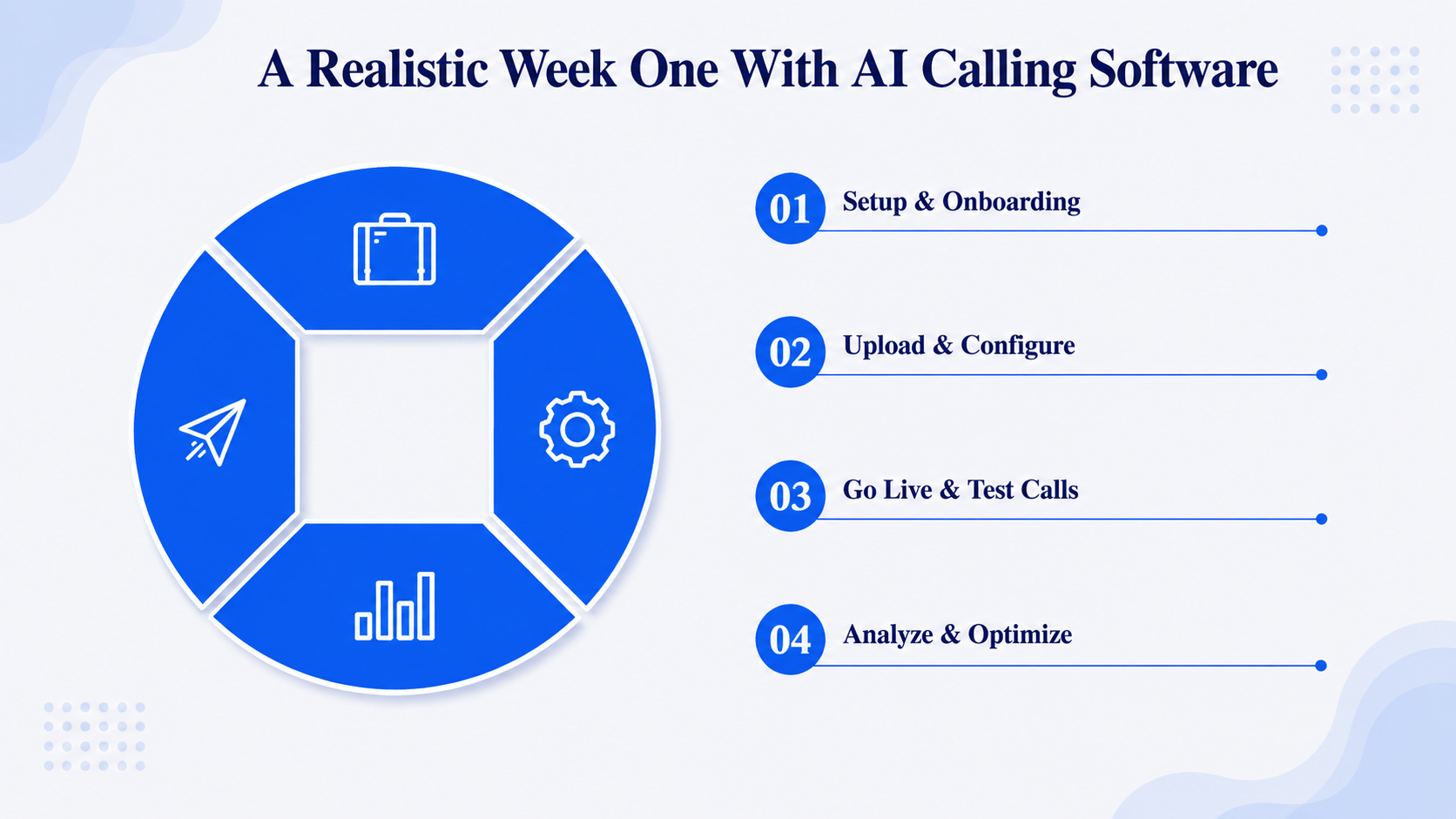
The first week with any AI calling software rarely goes exactly to plan, and that is normal rather than a sign the product failed. Teams usually discover their own published timings were wrong, two staff members quoted different prices, and nobody had written down what happens when a caller asks for a refund. That first week of ai calling reveals gaps in your own process before it reveals anything about the software itself.
That discomfort is useful, because those gaps were already costing calls before any software arrived to expose them. Plan the first week as tuning, reading transcripts daily and fixing the answers that fumbled, rather than judging the whole system on day two. Most teams see it settle within two weeks once the obvious gaps in their own answers get fixed, and the software stops being the thing under review.
Conclusion
AI calling software only earns its price when it performs on a real Indian call, not a scripted demo built for a different market entirely. Per-seat dollar pricing, generic multilingual claims, and silence on TRAI's outbound rules are the three places most comparison lists quietly fall short. An AI caller worth paying for hears a caller who switches languages mid-sentence, finishes the task before the call ends, and keeps every outbound call inside consent and calling-window rules by default. 9278.io was built around exactly that checklist, with per-second billing, 10+ Indian languages, and TRAI-compliant calling as defaults rather than add-ons. Test any AI calling software on your own call volume for a week before committing a yearly budget to it, and let the transcripts decide rather than the sales deck. Start with the call type your team is tired of repeating, and expand once the platform has proven itself there. Judge the AI calling software you shortlist on those transcripts, not on the pitch that sold it to you, and the right choice for an Indian call volume becomes obvious fairly quickly.
Ready to see it on your own calls?
9278.io answers every call in the caller's own language, with TRAI-compliant, per-second billed calling built for Indian businesses.
Start free trial