
Introduction
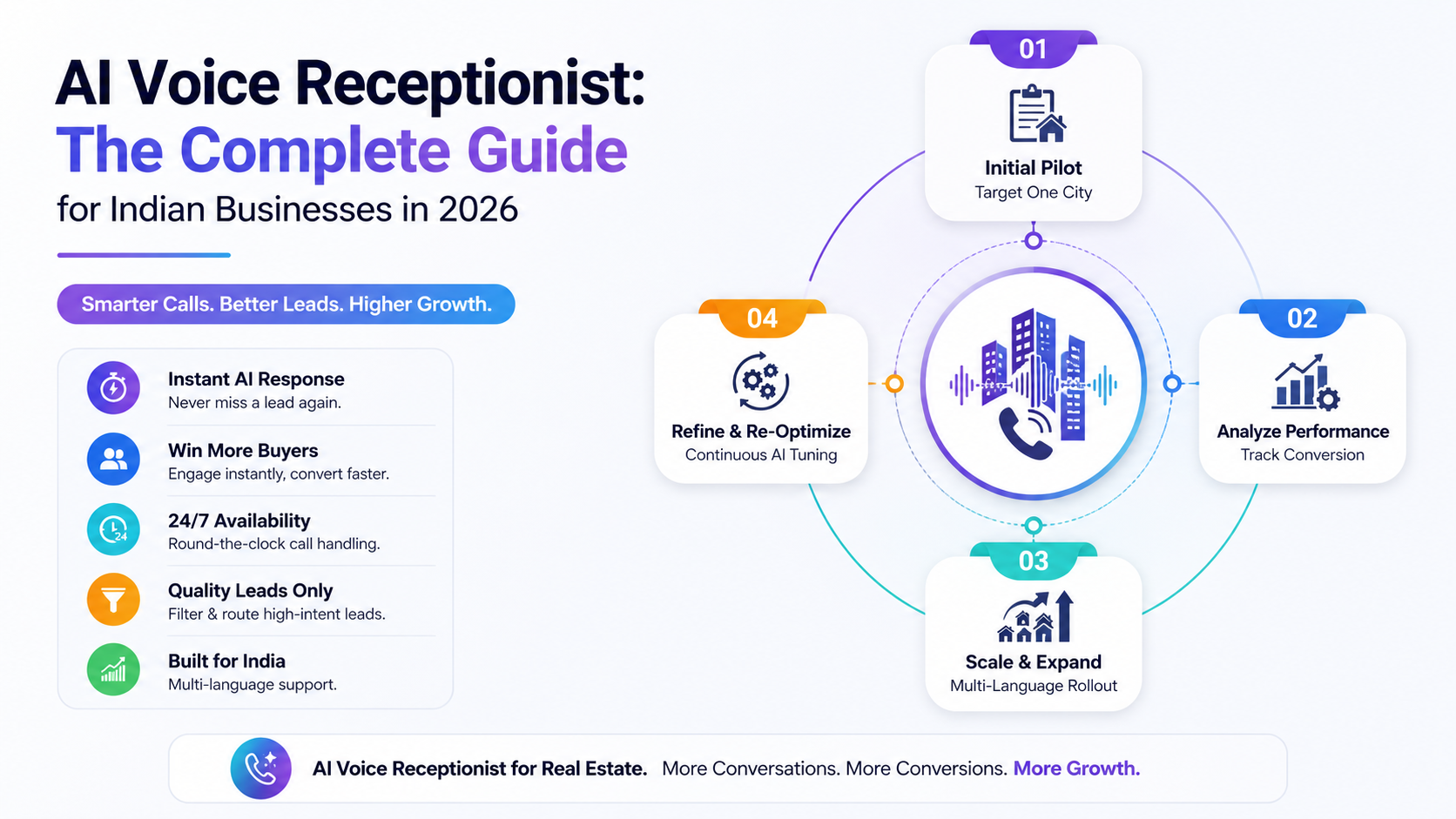
An AI voice receptionist answers, understands, and handles real business calls, and this guide explains exactly how one works and why it is not the same thing as the voice assistant on your phone. If your business has ever lost a lead because the phone rang out during lunch, or a customer hung up after five minutes on hold, you already know what a missed call actually costs. You will learn how an AI voice receptionist processes a real call, how it differs from a consumer voice assistant, and what it costs to run one properly in India. By the end, you will know exactly what to expect before your next customer call goes unanswered.
- An AI voice receptionist handles real business calls end-to-end, while a voice assistant like the one on your phone is built for single-user tasks, not customer calls.
- Per-second billing keeps AI voice receptionist costs tied to actual call time instead of a flat monthly fee.
- A tool built only for English struggles the moment an Indian caller mixes in Hindi or a regional language.
- TRAI-compliant calling and network tuning for Jio, Airtel, Vi, and BSNL decide whether calls sound clear or choppy.
The moment every missed call actually costs you
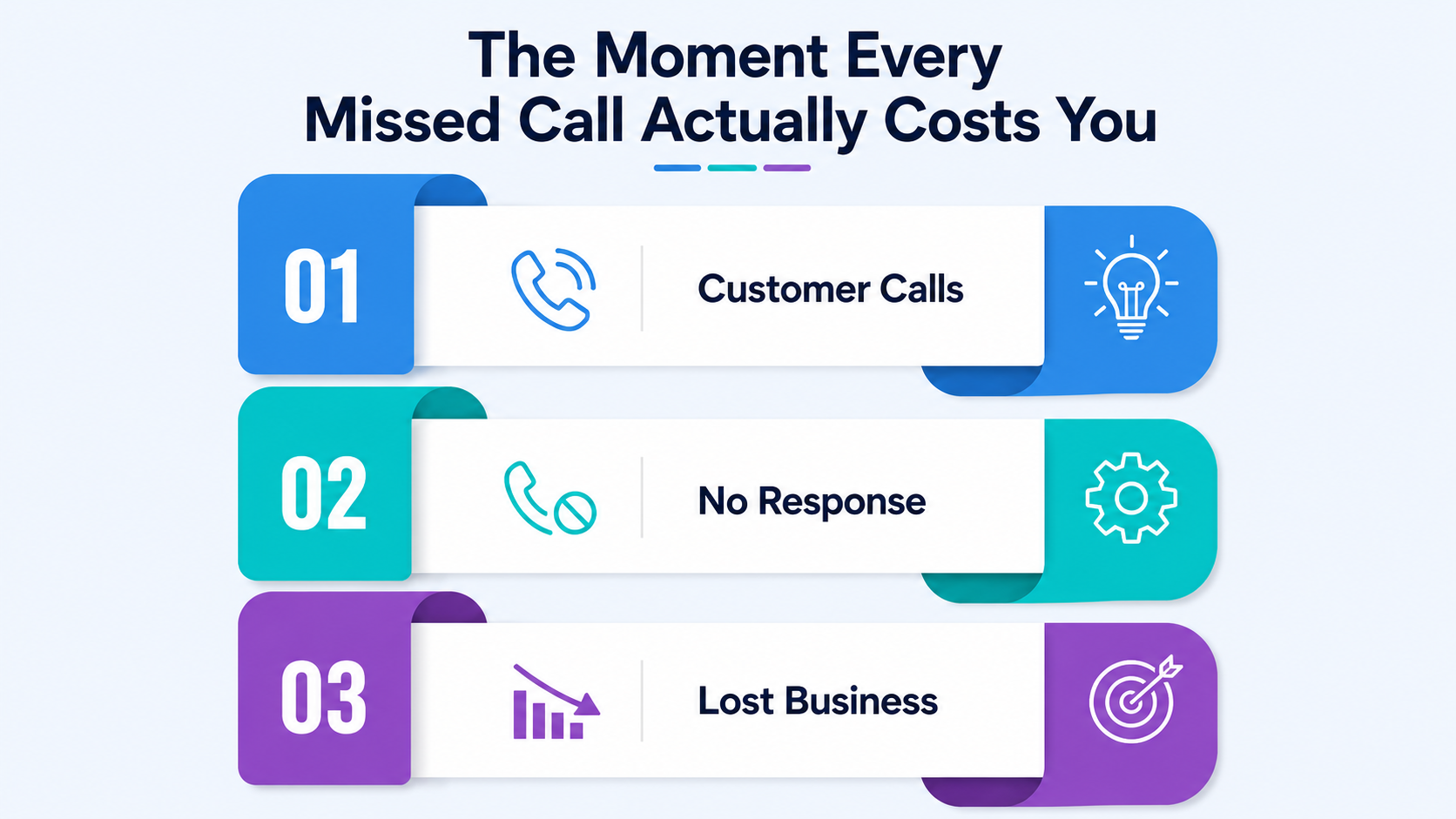
A missed call rarely feels like a big deal in the moment. The customer just tries the next business on their list, and you never find out what you lost. Multiply that by every lunch break, weekend, and late evening, and the pattern becomes expensive fast. This is exactly the gap an AI voice receptionist is built to close.
- A caller who reaches a dead line after hours rarely calls back the next day.
- Weekend enquiries often go straight to a competitor who happened to answer first.
- A busy front desk juggling five lines puts genuine leads on hold long enough to lose them.
- Businesses that actually track missed calls are often surprised by how many they get.
What actually happens when an AI voice receptionist picks up?
An AI voice receptionist does not read from a script the way an IVR menu does. It listens to what the caller actually says, works out the intent, and responds the way a trained employee would. On 9278.io, that entire exchange happens over a live phone call, not a chat window or an app.
The caller speaks naturally
There is no "press 1 for sales" — the caller just talks, the same way they would to a person at the front desk.
The system resolves or escalates
Simple requests, bookings, hours, pricing, get handled on the spot; anything genuinely complex gets passed to a human with full context.
AI voice receptionist or voice assistant? They're not the same job
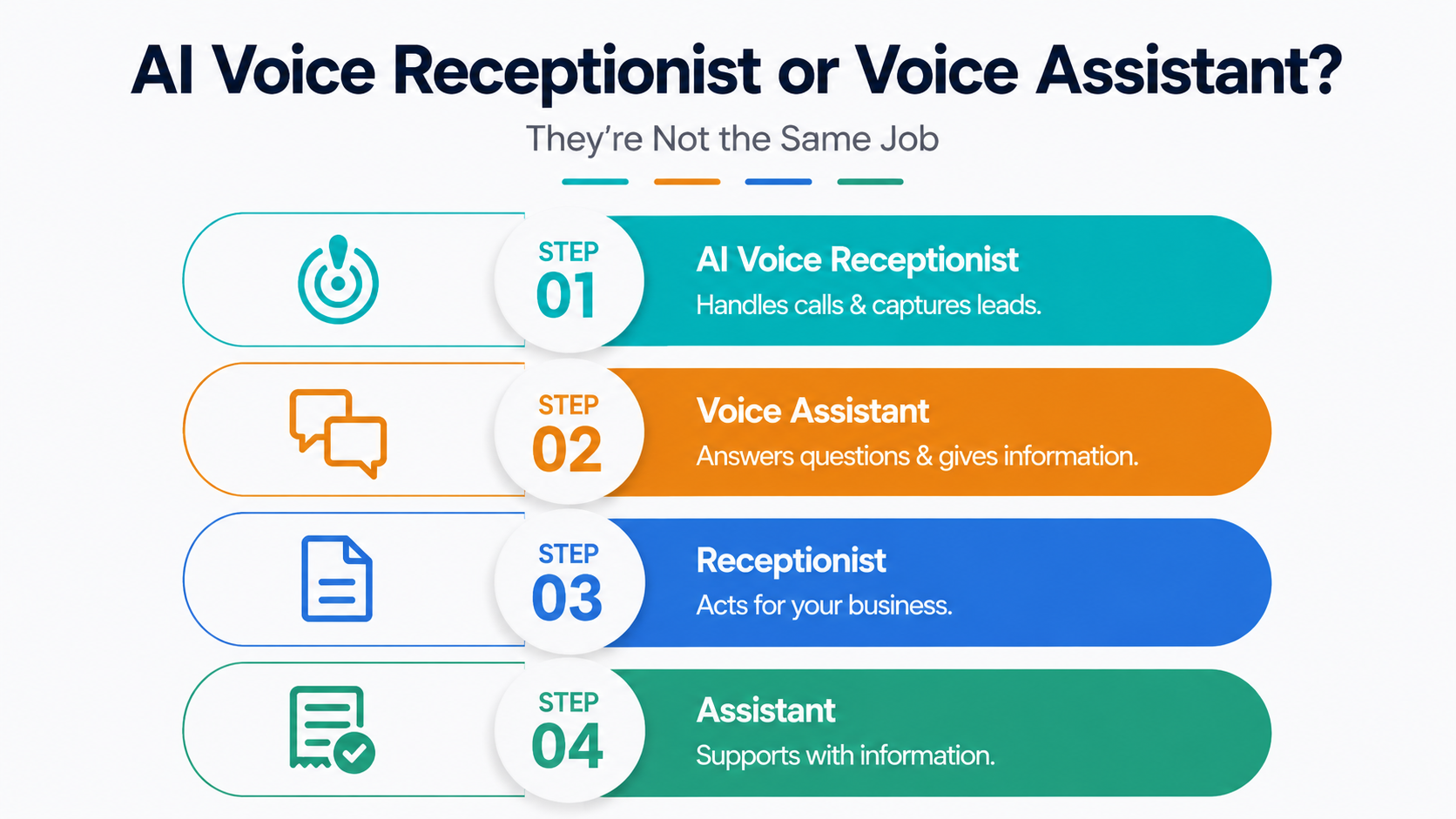
A voice assistant like the one on a phone or smart speaker is built to help one person with reminders, searches, and quick tasks. An AI voice receptionist is built to handle calls from strangers, all day, on a real business phone number. Confusing the two leads businesses to expect the wrong thing from either one. Our AI receptionist guide breaks down what a dedicated receptionist setup actually covers.
- Who it serves: a voice assistant serves one device owner; an AI voice receptionist serves every caller who dials your business number.
- Where it runs: one lives on a phone or smart speaker; the other runs on your actual business line.
- What it resolves: one answers general questions; the other books appointments, qualifies leads, and routes calls tied to your business.
Where Alexa-style voice assistants fall short on business calls
Consumer voice assistants are genuinely good at what they were built for: reminders, weather, and quick searches for one person. They were never designed to hold a real business conversation with a stranger who wants to book a service or ask about pricing. That gap is exactly why a dedicated AI voice agent platform exists as its own category. A true AI voice receptionist has to clear a much higher bar.
They aren't built for strangers
A consumer assistant is tuned to one voice and one set of habits; a caller it has never heard before is a different problem entirely.
They don't understand your business
A generic assistant has no idea what your opening hours, prices, or booking rules are unless someone manually teaches it, call by call.
Three numbers that decide your real monthly bill
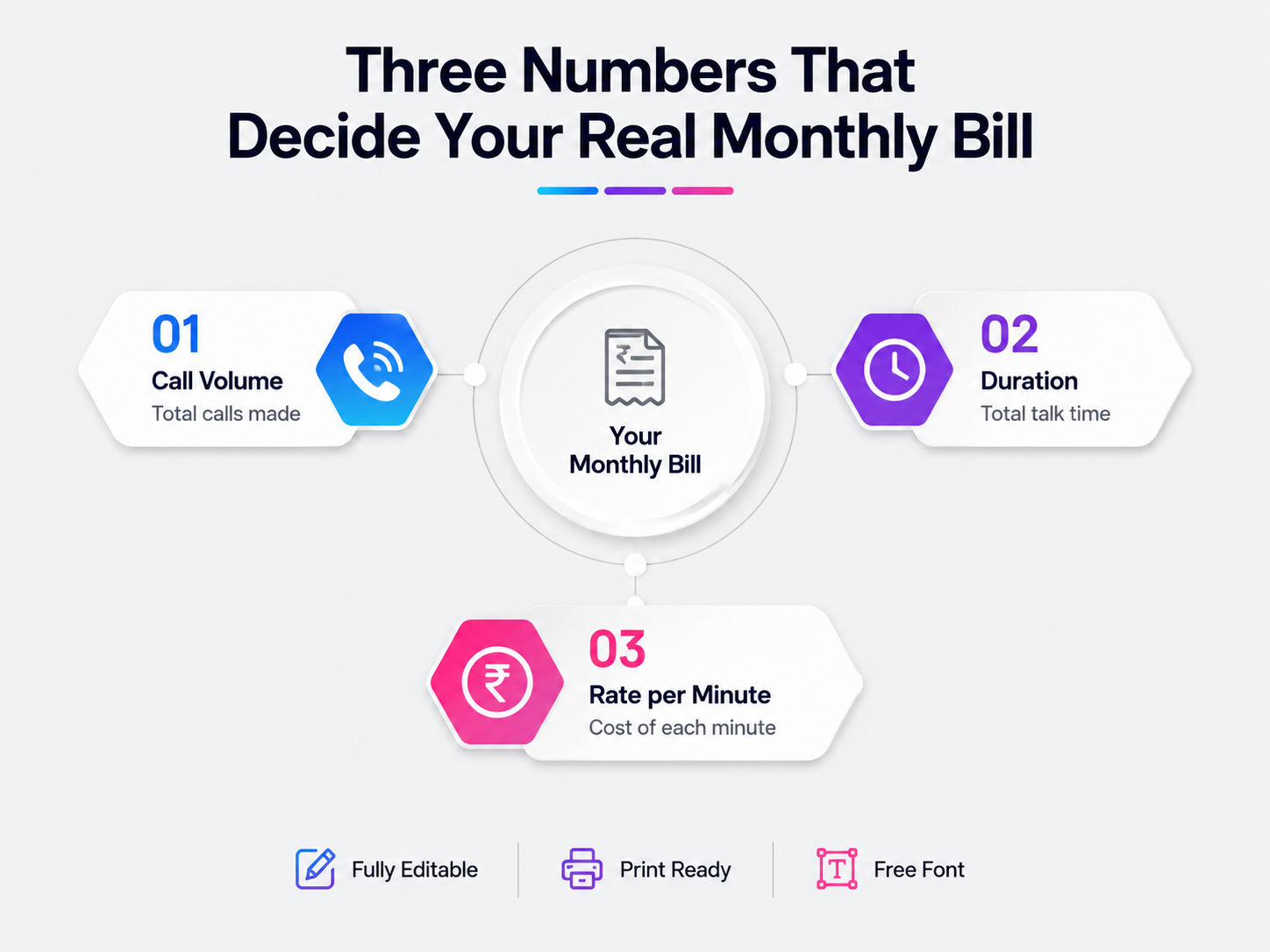
Pricing pages rarely explain what you will actually pay once real call volume shows up. An AI voice receptionist billed per second, like the one on 9278.io, charges a 20-second call as a fraction of a minute, not a rounded-up charge. Three numbers matter more than the headline plan price.
- Your average call length, since billing per second only helps if calls are genuinely short.
- The number of concurrent calls you expect during a rush, since some plans cap this.
- Whether unused minutes carry over or disappear, since that changes your effective rate.
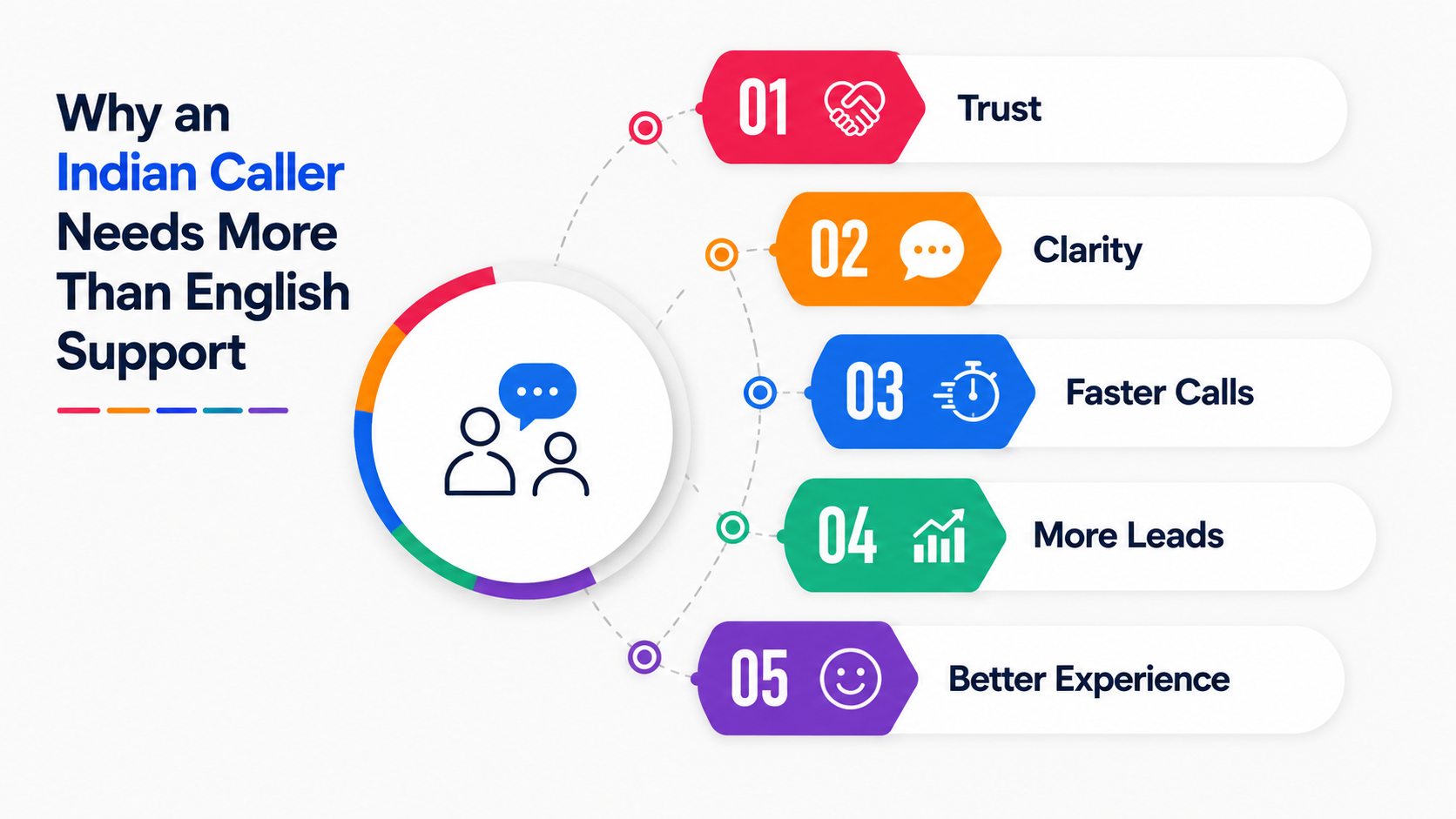
Why an Indian caller needs more than English support
Most voice AI tools are tested in English first, then patched for other languages later. An AI voice receptionist built only for English will stumble here, the moment a caller in Pune switches from English to Marathi mid-sentence, something Indian callers do constantly. 9278.io was built the other way, supporting 10+ Indian languages from the start. Indian regulators also require voice platforms to follow TRAI guidelines on consent and calling windows, which matters as much as language coverage.
Code-switching is the normal case
An Indian caller routinely mixes English words into a Hindi or Tamil sentence, and a system trained only on English will misread exactly that moment.
Network quality changes how natural it feels
Sub-300ms latency over WebRTC audio, tuned for Jio, Airtel, Vi, and BSNL, is what keeps a call from feeling delayed or choppy.
From signup to first answered call: what the timeline looks like
Setting up an AI voice receptionist does not require an engineering team or a long onboarding call. Most businesses go from signup to a live agent within days using a self-serve dashboard.
- Pick a plan and connect an Indian phone number.
- Write the greeting, FAQs, and booking or escalation rules.
- Run test calls and adjust anything that sounds off.
- Go live and review transcripts as real calls come in.
Conclusion
An AI voice receptionist and a voice assistant solve two completely different problems, even though they sound similar on paper. One helps a single person manage their day; the other answers real business calls, qualifies leads, and books appointments for everyone who calls your number. For Indian businesses, the deciding factors are language depth, honest per-second billing, and network performance built for local conditions. Once you separate the two categories clearly, choosing the right one for your phone line gets a lot easier.
Call volume keeps growing, and businesses that rely on a consumer-grade voice assistant for real customer calls will keep hitting the same limits. Adopting a proper AI voice receptionist now means building a habit of answering every call instead of hoping someone is free to pick up. 9278.io lets Indian businesses test that shift without a long-term contract or an engineering project. Start with your busiest hour, see what changes, and let the results guide your next step.
Tired of a voice assistant that can't actually answer your business calls?
An AI voice receptionist from 9278.io picks up every time, understands the caller, and handles the request on the spot.
Start Free Trial